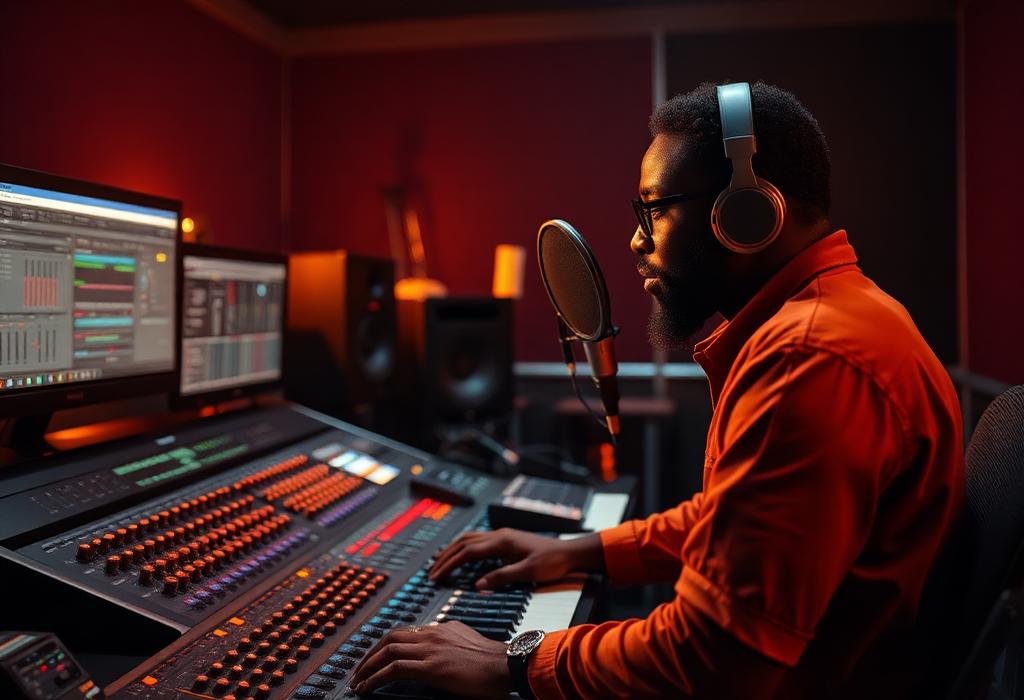
In conversation: artists on collaboration
Writers, producers and performers on what actually happens when musicians from different countries and genres share a room for a week.
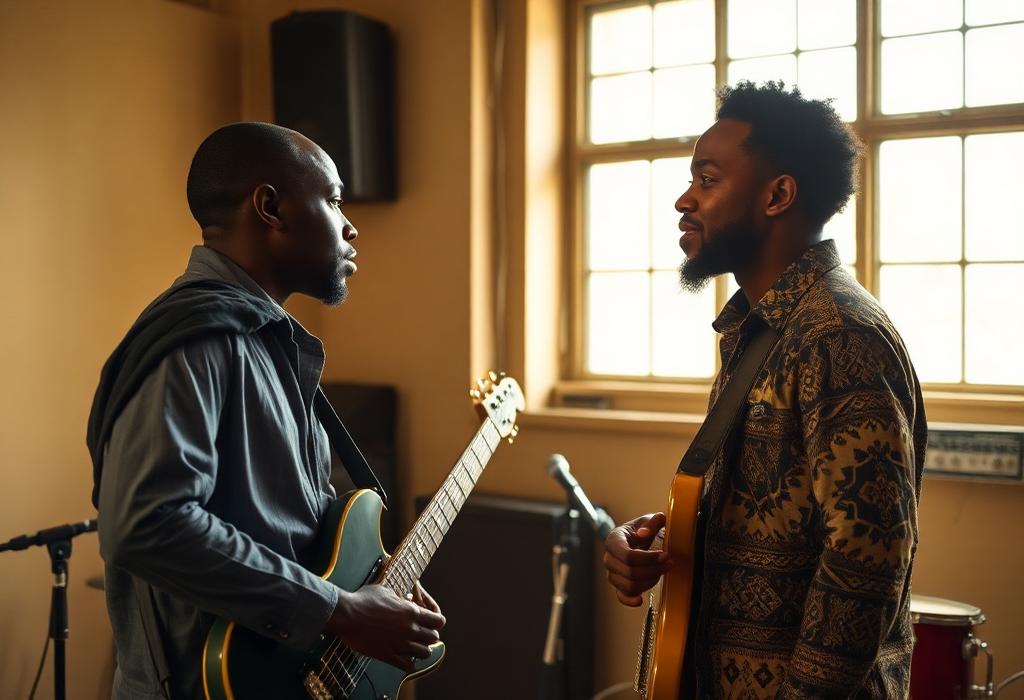
Collaboration across African scenes is often described as a marketing decision. The artists we spoke to describe something far less tidy: a week in a room, several languages, and a lot of negotiating over tempo.
“The first two days are usually wasted, and they are the most important days,” one producer told us. “You are not making a song. You are learning how the other person counts, where they feel the one, what they think is too busy. Once that is settled the record takes an afternoon.”
Language turns out to be less of a barrier than expected. Writers routinely trade lines in Shona, Yoruba, Zulu, Swahili and English inside the same chorus, keeping whichever phrase sings best. The rule most of them share is simple: meaning matters, but the sound of the word decides.
Genre is the harder negotiation. An amapiano producer wants space and patience; an afrobeats writer wants a hook by the thirtieth second; a live band wants room to stretch. The songs that work are the ones where everyone gives up something — usually the arrangement they arrived with.
What every artist repeated, in different words, is that collaboration is a cultural exchange before it is a commercial one. People leave with a new rhythm in their hands and a phone full of numbers. The record is almost a by-product.