A short history of the piano in African dance music
From mission-hall keyboards to kwaito, bongo flava and amapiano — how the piano became one of the most African instruments on the continent.
The piano arrived on the continent as a foreign object and was immediately made local. In mission halls and school rooms across West, East and Southern Africa, keyboards were tuned to accompany choirs, and players who had grown up on mbira, kora and marimba brought those hand patterns straight to the keys. The instrument changed to fit the music, not the other way round.
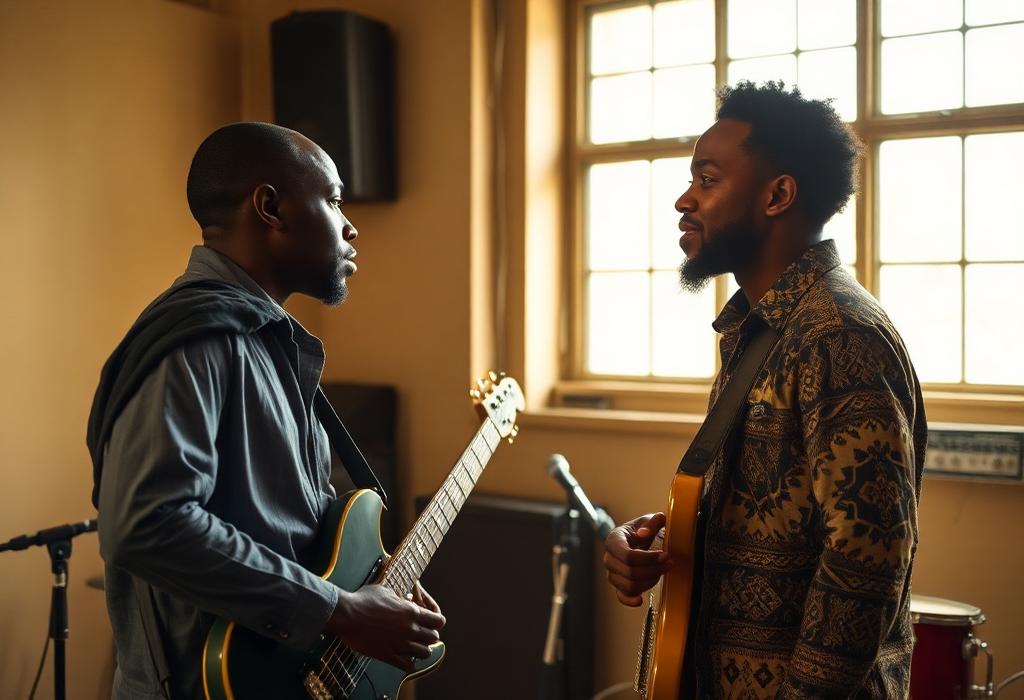
By the 1970s the electric piano and organ were central to highlife, rumba and Afro-funk bands. Players used the left hand as a drum and the right hand as a horn section, treating chords percussively — a habit inherited from thumb pianos and balafons, where rhythm and melody are never separate ideas.
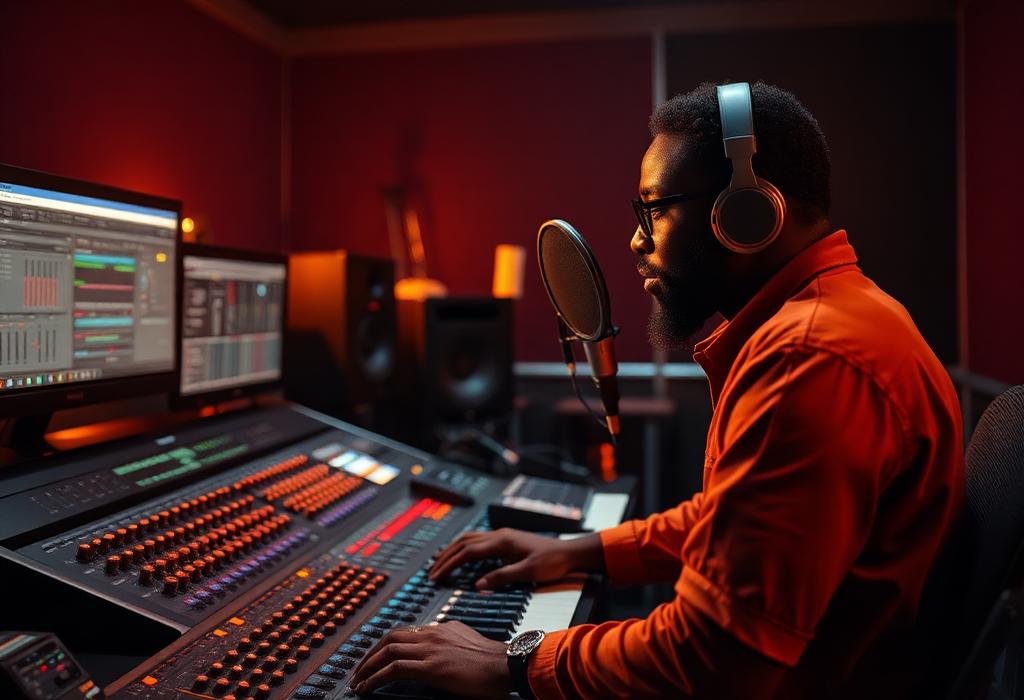
In the 1990s, South African kwaito slowed everything down and put the keyboard at the front of the mix. Deep house followed, then a generation of producers in Pretoria and Soweto took the soulful chords of house, married them to log drums and shakers, and amapiano arrived — a genre where the piano is not decoration but the lead voice.
Across the continent the pattern repeats. Bongo flava keys in Dar es Salaam, gospel piano in Lagos and Accra, Zimbabwean players translating mbira cycles into repeated right-hand figures. Different languages, same instinct: use the keys to keep people dancing.
Afro Piano Fusion sits inside that lineage. The piano in our music is not borrowed — it has been African for generations.