Inside the studio: building the Fusion sound
Log drums, live keys and vocal takes recorded in one room — how an Afro Piano Fusion record is put together from the first loop to the final mix.
Every Afro Piano Fusion record starts the same way: a groove, a room and people willing to play it until it feels right. Before anyone opens a session, the team spends time listening — old highlife records, amapiano sets recorded off a phone in Pretoria, a sungura guitar line, a gospel choir take. The brief is never to copy any of it. It is to understand why it moves people.
The foundation is almost always the drum. A log drum is programmed, then re-tuned by ear against a live shaker and a hand percussionist so the pocket breathes instead of clicking to a grid. Only once the rhythm feels human do the keys arrive. Piano parts are recorded live, in full passes, mistakes included, because the small hesitations are what make a chord sound like a person and not a plug-in.
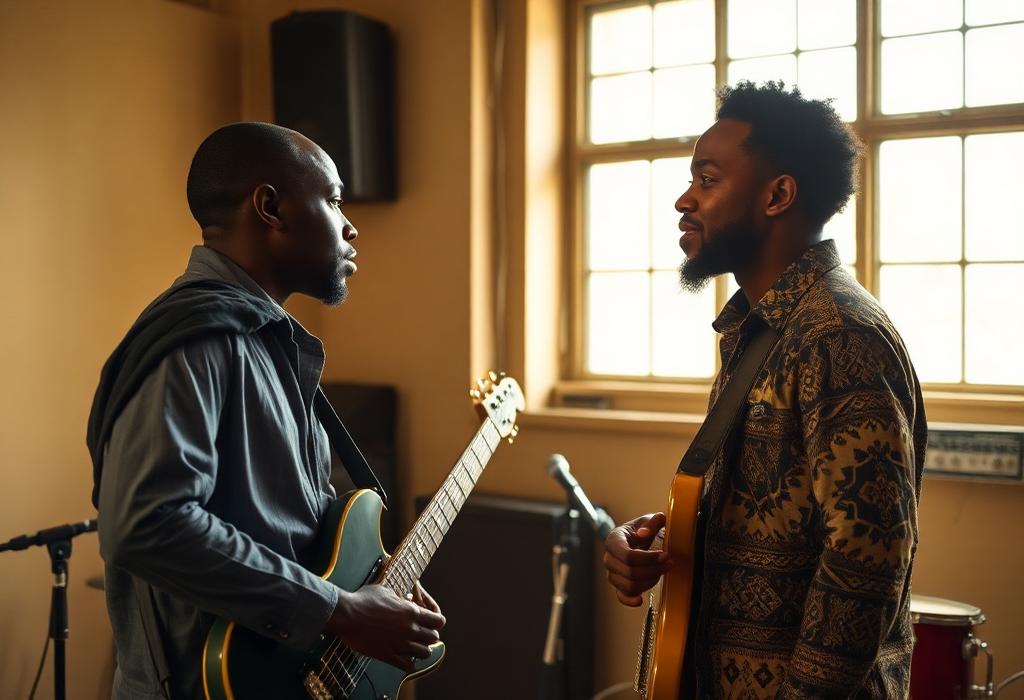
Vocals are treated as a conversation. Lead takes are cut close and dry, then answered by a group of three or four singers gathered around a single microphone — the same way harmonies are sung at home, in church halls and at family gatherings. Nothing is stacked forty times. If the room does not sound full with four voices, the arrangement is the problem, not the count.
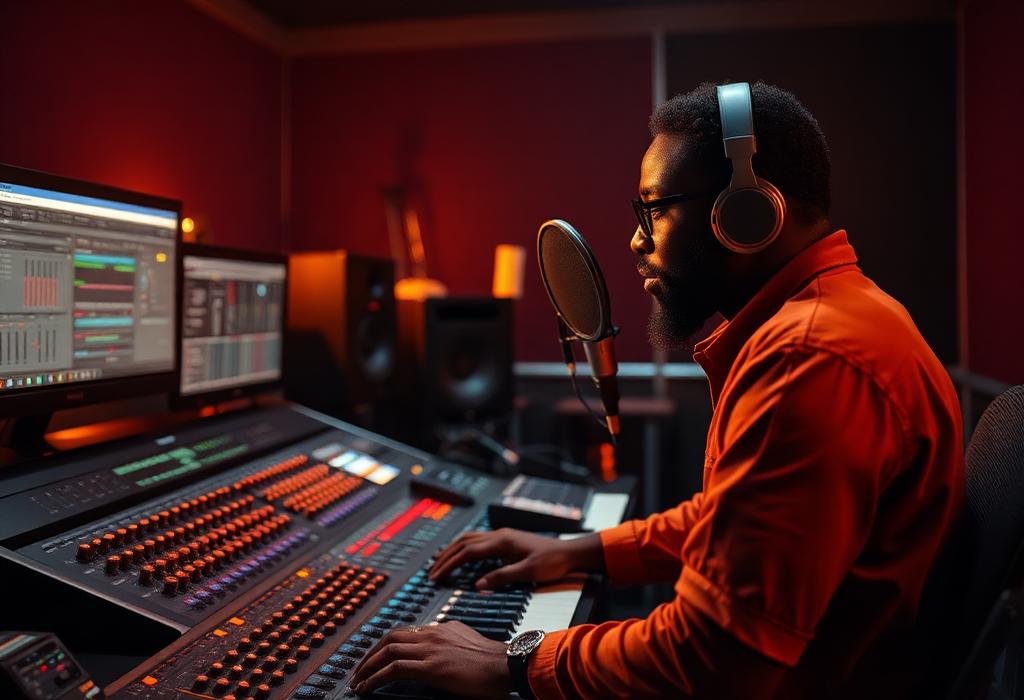
Mixing is where restraint matters most. Low end is carved so the log drum and bass never fight, the piano is left wide and slightly imperfect, and reverb is used to place instruments in a space rather than to hide them. The final test is never a studio monitor. It is a car, a phone speaker and a rented sound system at volume — because that is where the music will actually live.
The result is a sound that carries African rhythm without being a museum piece: modern enough for a club at 1am, warm enough for a Sunday afternoon.